Top 5 Vermin Pest Control Enquiries in Luton with Local Trends and Frosts Pest Control Advice

A scratching sound in the loft, ants crossing the kitchen floor, or wasps gathering under roof tiles can turn from a small worry into a real pest problem quickly. In Luton, enquiries about vermin and pests often follow clear local patterns: dense housing, busy food areas, older drainage routes, green spaces, and seasonal weather all play a part.
Luton is home to more than 225,000 people, according to the 2021 Census, within a relatively compact urban area. That density matters. More homes, bins, restaurants, takeaways, warehouses, student lets, and transport links mean more nesting spots, food sources, and routes for pests to move through.
This guide looks at the top five vermin pest control enquiries in Luton, the local trends behind them, and practical steps that help prevent repeat problems. For professional support, Frosts Pest Control provides pest control services for homes and businesses across the area.

Why Luton has recurring vermin pest control pressure
Pest activity is not random. It often reflects how a town is built and used. Luton has several features that can make pest enquiries more common at different times of year.
The town has a mix of Victorian and post-war housing, flats, commercial units, food outlets, industrial estates, river corridors, railway links, and green spaces. Each setting creates different pest risks. Rodents use drains, wall cavities, gardens, bin stores, and railway embankments. Insects thrive where food, moisture, warmth, or waste is easy to access. Birds and urban wildlife take advantage of roofs, loft voids, sheds, and neglected outdoor areas.
Seasonality also matters.
Autumn and winter
Rodent enquiries tend to rise as rats and mice look for warmth, food, and dry nesting places.
Spring
Ant, flea, and early wasp enquiries often start as temperatures lift.
Summer
Wasp nests, flies, ants, bed bugs, and bird-related issues become more noticeable.
Early autumn
Fruit flies, cluster flies, stored product insects, and mice often trigger calls as homes and businesses close windows and heating comes back on.
For searchers looking for vermin pest control LUTON, the best solution is rarely just a quick treatment. Good pest control identifies the pest, finds the entry points, removes the conditions that support it, and adds prevention so the issue does not return.
The top five pest control enquiries in Luton
1. Rats and mice in homes, gardens, and commercial premises
Rodents are usually the most urgent vermin enquiry because they are noisy, destructive, and unsettling. Mice can squeeze through very small gaps around pipes, vents, air bricks, door frames, and service holes. Rats often use drains, broken pipework, garden burrows, decking, sheds, and bin storage areas.
In Luton, rodent pressure is often linked to:
High-density housing with shared walls and gardens
Food waste from homes, takeaways, cafés, and shops
Railway lines, alleys, and embankments that give rodents safe movement routes
Older drainage systems or damaged inspection chambers
Garden decking, sheds, compost bins, and overgrown boundaries
Common signs include droppings, gnaw marks, greasy rub marks along skirting boards, scratching at night, shredded insulation, chewed packaging, and a strong ammonia-like smell in enclosed spaces.
Rodent control works best when it combines treatment with proofing. Traps or rodenticides may deal with the active infestation, but the key question is simple: how did they get in? If that opening remains, another mouse or rat can return later.
Useful prevention steps include:
Store food in sealed containers
Keep bins closed and avoid overflowing waste
Clear fallen fruit and bird seed from gardens
Seal holes around pipes and cables with suitable materials
Repair damaged air bricks and vents
Check drains if rats keep appearing inside
For persistent activity, a professional inspection from Frosts Pest Control can help identify nesting areas, likely routes, and the best treatment plan.

2. Wasps, bees, ants, flies, and other insect problems
Insect enquiries in Luton rise sharply in warmer months. Some are nuisance pests, while others can affect hygiene, food safety, or comfort in the home.
The most common insect-related calls tend to involve:
Wasps nesting in roof voids, sheds, wall cavities, or eaves
Ants entering kitchens, conservatories, and patios
Flies around bins, drains, food waste, or animal waste
Fleas after pet activity or previous occupiers
Bed bugs linked to travel, second-hand furniture, or shared accommodation
Cockroaches in warm, food-rich environments
Wasps are one of the clearest seasonal trends. Queens start building nests in spring, but most people do not notice them until summer, when the nest is larger and worker wasps become more active. By late summer, wasps may become more persistent around sugary foods and drinks.
Ants are usually attracted by crumbs, spills, pet food, and warm cracks around paving or walls. A small trail in the kitchen can indicate a much larger colony outside.
Flies often point to a source. That could be a bin store, drain issue, decaying organic matter, pet waste, or poor food storage. Treating the adult flies without removing the breeding source gives short-lived results.
Bed bugs need special care. They are not a sign of poor hygiene. They travel in luggage, furniture, clothing, and soft furnishings. The earlier they are identified, the easier they are to manage.
Good insect control starts with correct identification. A cluster fly problem in a loft needs a different approach from a drain fly issue in a kitchen. A wasp nest should not be blocked at the entrance, as this can force wasps further into the property. Where stinging insects are active, professional treatment is the safer option.
3. Squirrels, foxes, birds, and other wildlife control
Wildlife control is a growing concern in many urban towns, including Luton. The aim is not simply removal. It must be legal, humane, and based on the species involved.
Common wildlife enquiries include:
Grey squirrels in lofts
Foxes fouling gardens or entering outbuildings
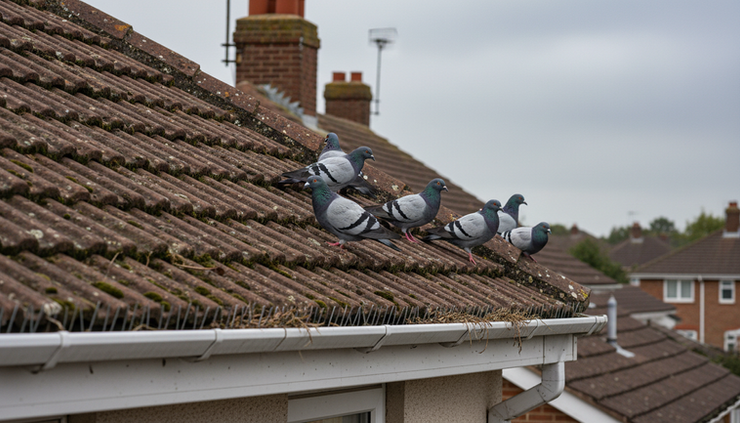
Pigeons roosting on ledges, roofs, signs, and solar panels
Birds nesting in vents, gutters, or roof spaces
Moles or burrowing animals affecting lawns and grounds
Grey squirrels can cause damage in roof spaces by chewing timbers, wiring, insulation, and stored items. Signs include daytime scratching, movement in the loft, droppings, nesting material, and gnawed wood or cables.
Bird problems can be more serious than they first appear. Pigeon droppings are slippery, corrosive, and unsightly. Blocked gutters can lead to water damage. Nesting material can also obstruct vents or drainage channels.
Bird control in the UK needs careful handling because wild birds, nests, and eggs have legal protection. Any action must follow the relevant rules and use appropriate licences where required. That is one reason professional advice matters.
In urban areas, foxes often become bold when food is easy to find. Open bins, pet food, discarded takeaway waste, and unsecured compost can all encourage regular visits. Removing food sources and blocking access under sheds or decking can reduce the problem.
For humane and lawful wildlife support, using an experienced local provider such as Frosts Pest Control helps avoid poor methods that may fail or breach regulations.
4. Pest problems linked to bins, drains, and food waste
Many pest enquiries are not caused by one single nest. They are caused by conditions that keep attracting pests back.
This is especially relevant in shared housing, flats, restaurants, takeaways, retail units, schools, warehouses, and offices. Luton has busy local centres, industrial estates, student housing, commuter routes, and high footfall areas near shops and transport links. That creates more waste points and more places where pests can feed unseen.
The main risk areas are:
External bin stores
Food preparation areas
Drains and grease traps
Wall-floor junctions
Service cupboards
Shared gardens
Loading bays
Storage rooms
Cellars and basements
Rats, mice, cockroaches, flies, ants, and stored product insects all benefit from poor waste control. Even a well-cleaned kitchen can suffer if the bin area outside is overflowing or drain covers are damaged.
Businesses have extra pressure because pest activity can affect reputation, staff welfare, food hygiene inspections, and customer trust. A single sighting in a food premises should be treated seriously, especially if droppings, gnawing, or insect activity are found nearby.
Simple improvements often make a big difference:
Keep bin lids closed and replace broken bins
Clean spills quickly, especially sugary liquids
Rotate stock and check dry goods for insect activity
Fit door brushes on external doors
Keep food off the floor and away from walls
Repair gaps around pipework and service ducts
Schedule regular checks for high-risk premises
For commercial sites, planned monitoring can be more cost-effective than waiting for an emergency. It allows early detection before a small pest issue becomes visible to customers or staff.
5. Prevention enquiries after repeat infestations
One of the most common calls happens after pests have already been treated once. The question changes from “How do we get rid of them?” to “Why do they keep coming back?”
Repeat infestations usually have one or more unresolved causes. These include:
Unsealed access points
Neighbouring property activity
Damaged drains
Poor waste storage
Overgrown vegetation
Bird feeding
Gaps under doors
Lofts or wall cavities that have not been checked
Shared bin areas with no clear responsibility
Prevention is often the most valuable part of pest control. It reduces the chance of needing repeated treatments, and it gives clearer evidence if a neighbouring or structural issue is involved.
A practical prevention check should cover the full property, not just the room where pests were seen.
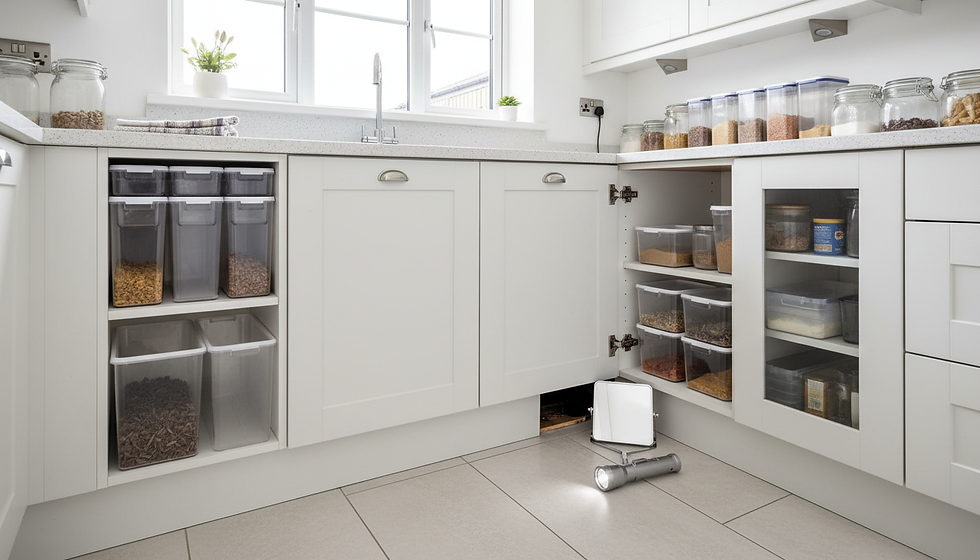
Look outside first. Check walls, vents, air bricks, pipe entries, drains, door thresholds, garden boundaries, sheds, decking, and bins. Then move inside. Inspect kitchen kickboards, under sinks, loft spaces, airing cupboards, meter cupboards, skirting boards, and storage areas.
For landlords and managing agents, prevention also means clear maintenance records and fast reporting. Where several flats share voids, drains, or bin stores, a piecemeal approach can fail. Coordinated treatment is often needed.
This is where local knowledge matters. A technician who understands common Luton property types, seasonal pest patterns, and likely access routes can often spot the cause faster than a general DIY approach.

Local pest control trends Luton residents should watch
The strongest pest trends in Luton are linked to density, waste, movement, and season.
The town’s compact population means pests can move easily between neighbouring gardens, terraces, commercial yards, and shared buildings. In terraced streets, one untreated entry point can affect more than one property. In flats, risers, service ducts, bin rooms, and communal stores can create routes that are hard to spot without a proper inspection.
Transport links also matter. Luton’s road, rail, airport, warehousing, and hotel connections bring constant movement of people and goods. That does not mean pests are inevitable, but it does raise the need for good monitoring in hospitality, storage, and short-stay accommodation.
Climate patterns play a role too. Milder winters can allow some pest populations to remain active for longer. Warmer summers tend to increase insect activity, especially wasps, ants, flies, and fleas.
The most useful local trend to remember is this: pest problems in Luton often become worse where food, shelter, and access points meet.
That means the best control plan usually combines three actions:
Treat the active pest
Remove or control the current infestation safely and correctly.
Find the reason it started
Identify food sources, nesting points, moisture, waste, or access routes.
Prevent the return
Seal gaps, repair defects, improve cleaning, secure waste, and monitor risk areas.
When to call a local pest control service
DIY methods can help with very small problems, such as a few ants entering through a visible crack or a minor fly issue linked to a missed food source. Yet some situations need professional help straight away.
Call a pest control service if:
Rats or mice are inside the property
Droppings are found in kitchens, cupboards, lofts, or storage areas
Wasps are entering a roof, wall cavity, or shed
Bed bugs are suspected
Cockroaches are seen
Birds are nesting in a risky or legally sensitive area
Pests are affecting a food business
The problem keeps returning after treatment
There are vulnerable people, children, pets, or high-risk areas involved
Professional pest control should include inspection, identification, treatment, advice, and prevention. It should also use safe methods suited to the property and the pest.
For help with vermin pest control IN LUTON, visit Frosts Pest Control to learn more about their local pest control services and arrange expert support.

A practical takeaway for Luton homes and businesses
The top pest enquiries in Luton are usually about rodents, insects, wildlife, waste-related pest activity, and repeat infestations. The details vary from one property to the next, but the pattern is often the same. Pests need access, shelter, food, and time.
Removing just one of those can reduce the risk. Removing all four is the goal.
Check bins, seal gaps, keep food protected, clear clutter, inspect lofts and drains, and act early when signs appear. If the issue is active, recurring, or involves rodents, wasps, bed bugs, cockroaches, birds, or business premises, professional help is the safer route.
For local advice and treatment, contact Frosts Pest Control and get the problem assessed before it spreads.


Comments