Vermin Control in Luton This Autumn Rodent and Insect Prevention Tips from Fostrs Pest Control

Autumn in Luton brings darker evenings, colder nights, wetter gardens and, often, unwanted visitors looking for shelter. Rats, mice and insects do not disappear when summer ends. Many move closer to homes, shops, sheds, lofts and food sources as temperatures drop.
That makes autumn a key season for vermin control in Luton. A small gap under a door, an overfilled bin, or a warm loft space can be enough to attract pests. Once inside, they can damage insulation, chew wiring, contaminate food and spread quickly through neighbouring properties.
This guide covers the most common autumn vermin problems seen around Luton, how to reduce the risk, and when it is time to call a professional pest control team such as Frosts Pest Control.

Why autumn increases vermin Control in Luton problems.
Pests follow three things: warmth, food and shelter. Autumn creates the perfect push indoors.
In Luton, that can mean rodents moving from gardens, alleyways, bin stores, parks, railway edges and commercial waste areas into nearby buildings. Older housing stock, terraced streets, extensions, garden outbuildings and converted loft spaces can all offer hidden entry points.
Seasonal habits also play a part. People keep windows closed, store more food indoors, clear gardens less often, and use garages or sheds for storage. Fallen leaves collect around drains. Food waste bins may sit close to back doors. Even pet food left out overnight can attract rodents.
The issue is not limited to houses. Cafés, takeaways, shops, warehouses, schools and shared accommodation can all see more pest pressure in autumn. In busy areas, one untreated infestation can spread to nearby properties, especially where rodents travel through wall cavities, drains or roof spaces.
A quick autumn check can stop a minor pest problem turning into a winter infestation.
Common vermin issues in Luton during autumn
The pests most likely to cause concern at this time of year are rodents and a range of insects that seek warmth indoors. Each behaves differently, so the right control method matters.
Rats around bins, drains and gardens
Rats are highly adaptable. They can live around gardens, sewers, compost heaps, bin stores and commercial waste areas. In autumn, they often move closer to buildings as outdoor food becomes less reliable.
Signs of rat activity include:
Droppings near bins, sheds or along walls
Gnaw marks on timber, plastic or pipework
Scratching noises under floors or in wall voids
Burrows near sheds, decking or garden boundaries
Greasy smear marks where rats travel regularly
Strong, unpleasant smells in enclosed spaces
Rats can squeeze through surprisingly small gaps, especially around pipe entries, damaged air bricks and poorly sealed doors. Decking and overgrown planting give them cover, while loose waste gives them a reason to stay.
Rat control needs more than putting bait down. A proper plan should include identifying entry points, removing food sources, proofing gaps and placing control measures safely.
Mice in lofts, kitchens and cupboards
Mice are a common autumn problem in homes and flats. They need very little space to get in and can nest in loft insulation, kitchen kickboards, airing cupboards, garages and wall cavities.
Typical signs include small dark droppings, nibbled food packets, scratching sounds at night and a musky smell. Mice often move behind units or along skirting boards, so activity can remain hidden until numbers increase.
They breed quickly when they find warmth and food. That is why early action matters. Cleaning alone will not solve the problem if mice still have access through gaps around pipes, vents or external walls.
Cockroaches in warm buildings
Cockroaches are less visible than rodents but can be difficult to control once established. They prefer warm, damp areas with access to food, which makes kitchens, plant rooms, bin rooms and food businesses more vulnerable.
Autumn heating can help cockroaches stay active indoors. They hide in cracks, behind appliances, around pipework and inside service ducts. Seeing one cockroach often means there are more hidden nearby.
Good hygiene helps, but cockroach control usually needs professional treatment, monitoring and follow-up visits. DIY sprays can scatter them into harder-to-reach areas if used badly.
Flies, cluster flies and stored product insects
As temperatures fall, some flies look for sheltered places to overwinter. Cluster flies can gather in lofts, roof voids and upper rooms, especially in quieter properties. They are not the same as house flies, but large numbers can be unpleasant.
Stored product insects are another autumn nuisance. Moths, beetles and weevils may appear in cupboards where flour, cereals, rice, pasta, nuts or pet food are stored. They often arrive in packaged goods and spread if dry foods are left unchecked.
Look for webbing, larvae, small beetles or fine dust inside packets. The best response is to remove affected food, clean cupboards thoroughly and store dry goods in sealed containers.
Fleas and bed bugs after summer travel
Fleas can linger after warm weather, especially in homes with pets. Central heating may keep them active into autumn. Bites around ankles, pets scratching, or tiny jumping insects near carpets and soft furnishings are common warning signs.
Bed bugs are not tied to poor hygiene. They can be brought home after travel, overnight stays or second-hand furniture. Autumn is often when people notice bites after summer movement. Bed bugs hide in mattress seams, bed frames, headboards and nearby furniture. Fast identification is essential, as they are difficult to remove without professional help.

Prevention tips that suit Luton homes and businesses
Good prevention is practical. It focuses on removing access, food and shelter. These steps work well for many Luton properties, from terraced streets and semis to shops, flats and industrial units.
Seal gaps before cold weather sets in
Rodents can enter through gaps around doors, pipework, vents, drains and damaged brickwork. Walk around the outside of the building and look low down first.
Prioritise these areas:
Gaps under external doors
Holes around water, gas or waste pipes
Broken or missing air brick covers
Damaged drain covers
Gaps around garage doors
Spaces behind kitchen units where pipes enter
Cracks around extensions or outbuildings
Use suitable pest-resistant materials. Expanding foam on its own is not enough, as rodents can gnaw through it. Wire mesh, metal plates, cement mortar and proper brush strips are stronger choices when fitted correctly.
For rented properties or shared blocks, report defects early. Pest proofing works best before the first signs of infestation.
Keep bins clean, closed and away from walls
Bins are one of the biggest pest attractants in autumn. Food waste, loose bags and overflowing lids provide an easy meal.
Keep bin areas under control by doing the following:
Close lids fully after every use
Avoid leaving black bags beside bins
Rinse food packaging before disposal where practical
Keep bins away from doors and windows
Clean spills around bin stores
Secure food waste in tied bags or approved containers
Businesses should pay close attention to external waste areas. A single poorly managed bin store can attract rats from nearby streets, yards and service roads.
Cut back cover in gardens and yards
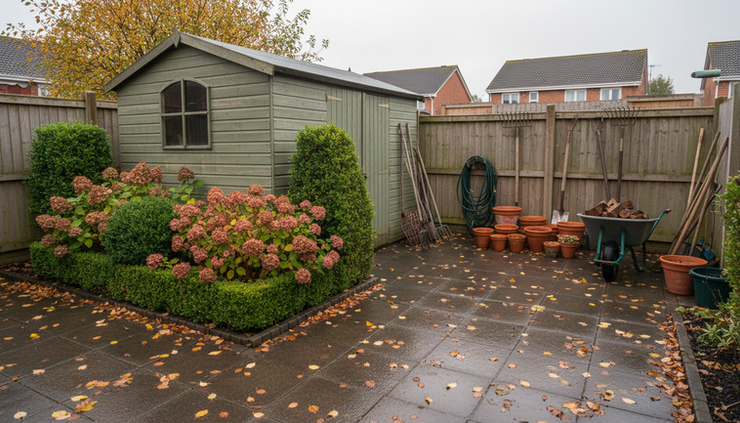
Rats avoid open spaces where possible. Overgrown shrubs, stacked timber, dense ivy, cluttered sheds and low decking give them safe routes and nesting spots.
Autumn garden clearance can make a real difference. Cut back vegetation along walls and fences. Lift old boards, broken pots and unused materials. Store firewood off the ground and away from the house. Keep compost covered and avoid adding cooked food.
If a garden backs onto open land, a railway line, a watercourse or a shared alley, proofing and tidiness become even more important. These routes can act as pest corridors.
Store food so pests cannot reach it
Kitchens need extra care during cooler months. Rodents and insects only need crumbs, spills or small openings in packaging.
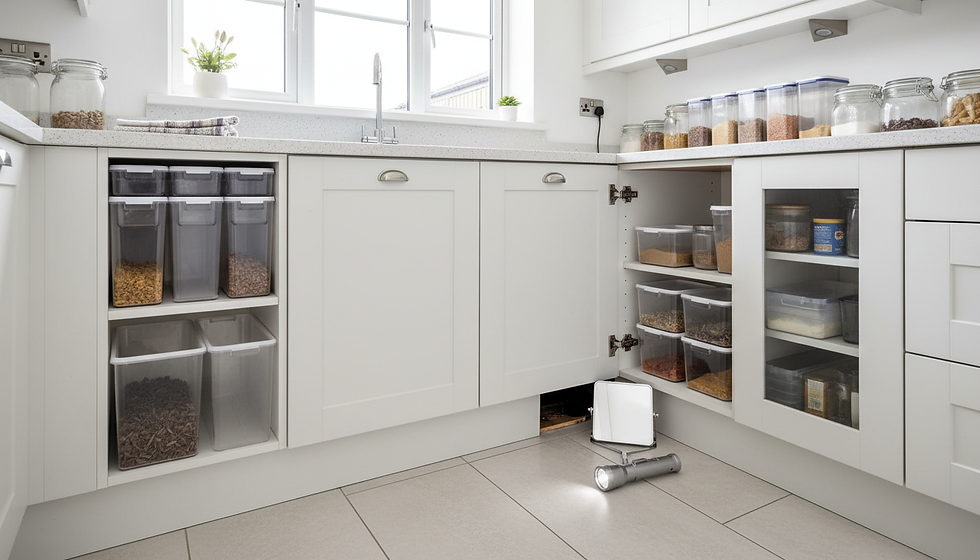
Use sealed containers for cereals, flour, rice, pasta, bird seed and pet food. Clean under appliances where crumbs gather. Do not leave pet bowls down overnight. Wipe worktops and sweep floors after cooking.
For businesses, good stock rotation matters. Check deliveries, keep dry goods raised off the floor and inspect damaged packaging. Staff should know how to report droppings, gnaw marks or insect activity straight away.
Reduce moisture and hidden harbourage
Many insects prefer damp, warm and undisturbed spaces. Fix leaks under sinks, improve ventilation where condensation builds, and avoid storing cardboard on damp floors.
Cardboard boxes are common hiding places for cockroaches and stored product insects. If items must be stored, use sealed plastic containers where possible. Keep storage areas easy to inspect.
Control methods that work in autumn
Pest control should match the pest, the property and the level of activity. Quick fixes can waste time if they do not address the cause.
Start with a careful inspection
Before using traps, bait or treatments, confirm what pest is present. Dropping size, gnaw marks, smear marks, footprints, insect larvae and harbourage sites all give clues.
A good inspection covers:
Lofts and roof voids
Kitchen cupboards and kickboards
Pipe runs and service ducts
Garages, sheds and outbuildings
Bin stores and compost areas
Drains and external walls
Any neighbouring source of food or shelter
This step shapes the whole treatment plan. Treating mice as rats, or flies as moths, leads to poor results.
Use traps and bait responsibly
Rodent traps can help when placed correctly along travel routes, not randomly in the middle of a room. Bait may be part of a control plan, but it must be used safely, especially around children, pets, wildlife and food areas.
Professional pest controllers understand safe placement, legal requirements and follow-up checks. They also know when bait is not the best first option, such as where proofing or trapping would reduce risk more effectively.
Treat insects at the source
Insect control is rarely about spraying visible insects only. The source must be found.
For stored product insects, that means identifying and removing infested food. For fleas, it means treating the correct areas and managing pet treatment through a vet. For bed bugs, it means inspecting beds, furniture and nearby hiding places before applying a suitable treatment plan.
Cockroaches need a structured approach with monitoring, targeted treatment and proofing where possible. Follow-up matters because eggs and hidden insects can remain after the first visit.
Keep records for recurring problems
If pests return each autumn, record when activity starts, where signs appear and what conditions may be contributing. This is especially useful for landlords, food businesses and property managers.
Patterns can point to an external source, a drainage issue, a building defect or waste problem. Solving that root cause saves time and money over repeated short-term treatments.
When professional pest control is the safest option
Some pest issues can be reduced with cleaning, proofing and maintenance. Others need expert help from the start. If droppings keep appearing, scratching is heard at night, insects are spreading, or pests affect a food business, a professional inspection is the sensible next step.
A qualified pest control technician can:
Identify the pest correctly
Find entry points and harbourage areas
Use safe, targeted treatments
Advise on proofing and hygiene changes
Protect pets, children, staff and customers
Arrange follow-up visits when needed
Help prevent repeat infestations
Professional services are especially valuable in Luton because many properties sit close together. Rodents can move between gardens, terraces, voids and shared waste areas. Treating one room without looking at the wider environment often misses the real problem.
For local support, Frosts Pest Control can help with inspections, treatment plans and prevention advice for homes and businesses. If you are comparing options for vermin pest control in Luton, look for a team that focuses on both removal and long-term proofing, not just a quick visit.

A simple autumn vermin checklist for Luton properties
Use this checklist before the colder weather settles in fully.
Check outside walls for holes, cracks and pipe gaps
Fit brush strips to doors with visible gaps
Repair damaged air bricks and vent covers
Keep bins shut and clear loose food waste
Move bins away from doors where possible
Cut back dense planting near walls and fences
Clear clutter from sheds, garages and yards
Store dry food and pet food in sealed containers
Inspect lofts for droppings or scratching sounds
Clean under cookers, fridges and kitchen units
Look for insect larvae, webbing or beetles in cupboards
Act quickly if pest signs appear more than once
The aim is to make the property less inviting before pests settle in. Autumn prevention is usually far easier than winter removal.
The takeaway for Luton this autumn
Vermin problems often start quietly. A few droppings near a bin, scratching above the ceiling, or insects in a cupboard can be the first sign of a larger issue. Autumn gives rodents and insects more reasons to move indoors, so fast action matters.
Good vermin control in Luton starts with practical prevention: seal gaps, manage waste, clear garden cover and store food securely. If activity continues, get a professional inspection before the problem spreads.
For trusted advice and treatment, visit Frosts Pest Control and arrange help before autumn pests become a winter headache.


Comments