Vermin Control Luton Seasonal Tips to Prevent Infestations with Frosts Pest Control

A small scratching sound in the loft or a few droppings behind the bin can be the first sign of a much bigger problem. In Luton, seasonal changes often push rats, mice and other pests closer to homes, shops, sheds and outbuildings. As the weather cools and food becomes harder to find outdoors, vermin look for warmth, shelter and easy meals.
Good vermin control starts before an infestation takes hold. That means sealing entry points, removing food sources, keeping outdoor areas tidy and acting quickly when warning signs appear. For households and businesses that need help, Frosts Pest Control provides professional support for identifying, treating and preventing pest problems.
This guide covers the most common vermin issues in Luton, practical prevention steps and seasonal tips to keep properties protected through autumn and winter.

Why vermin problems increase during the colder months
Autumn and winter change pest behaviour. Rodents need warmth, nesting space and reliable food. Homes, garages, lofts, cafés, warehouses and garden sheds can all offer what they need.
In Luton, this can be made worse by:
Older brickwork with gaps around pipes, vents and drains
Terraced and semi-detached housing where pests can move between properties
Busy food areas, takeaways and commercial waste points
Gardens with decking, compost bins, sheds and bird feed
Lofts and cavity walls that offer quiet nesting spaces
Once inside, vermin can damage insulation, chew wires, contaminate surfaces and create unpleasant smells. Rodents breed quickly, so a small issue can spread through a property faster than many people expect.
That is why professional vermin control Luton services are often most effective when combined with regular prevention. A treatment may deal with the immediate problem, but proofing and hygiene reduce the chance of pests returning. Frosts Pest Control can help assess both the infestation and the conditions that allowed it to happen.
Common vermin issues faced in Luton homes and businesses
Not every pest problem looks the same. The signs, risks and treatment methods vary depending on the species and the property.
Rats around bins, drains and gardens
Rats are one of the most common vermin problems in urban areas. They often travel through drains, gardens, alleyways and shared waste areas. They look for food first, then shelter.
Signs of rats include:
Dark, capsule-shaped droppings
Burrows near sheds, decking, walls or compost heaps
Gnaw marks on plastic, wood or cables
Greasy smear marks along walls or skirting boards
Scratching sounds, often at night
Rats are cautious, so they may avoid new objects at first. DIY baiting can fail if the source of the problem is not found. A trained technician from Frosts Pest Control can inspect travel routes, likely nesting sites and access points before choosing a treatment plan.
Mice in lofts, kitchens and wall cavities
Mice can squeeze through very small gaps. Once indoors, they often nest behind kitchen units, in loft insulation, under floors and inside wall cavities. They are active, curious and quick to explore food storage areas.
Common signs include:
Small droppings like black grains of rice
Shredded paper, fabric or insulation
A musky smell in enclosed spaces
Scratching in ceilings or walls
Damaged food packets
Mice often enter at ground level through gaps around pipes, air bricks and door frames. They can also climb. Good proofing is vital, and Frosts Pest Control can advise which gaps need sealing and which materials are suitable.
Squirrels in roof spaces
Grey squirrels can enter lofts through damaged rooflines, loose tiles, broken soffits or gaps near gutters. They are noisy during the day and can cause serious damage by gnawing woodwork, insulation and wiring.
A squirrel issue is different from a mouse problem. It needs careful handling and the law around control methods must be followed. If loud daytime movement comes from the loft, contact Frosts Pest Control rather than blocking the hole straight away. Trapping animals inside can make the situation worse.
Wasps, flies and seasonal nuisance pests
Although rodents are the main concern in colder months, late-season wasp activity can continue while nests remain active. Flies may also become a problem around waste, drains and food areas.
Businesses in food handling, hospitality and retail need to act quickly because pest activity can affect hygiene ratings and customer confidence. For commercial premises, Frosts Pest Control can support monitoring, treatment and prevention plans.
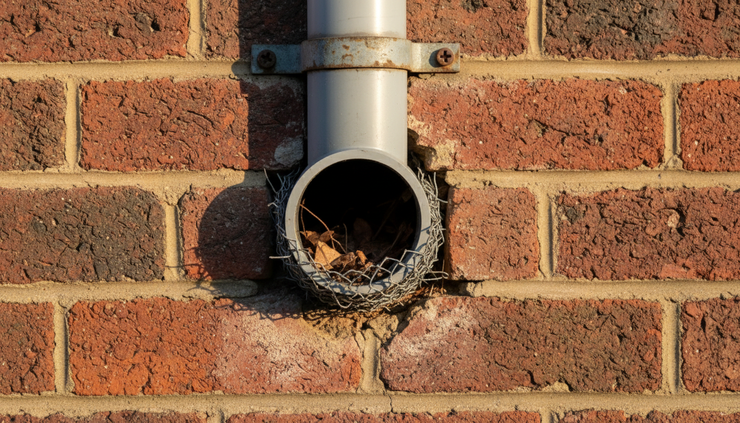
Preventative measures residents can take before infestations start
The best vermin control is often boring, regular maintenance. Pests do not need an invitation. They need access, food, water and shelter. Remove those four things and the risk drops.
Seal gaps before rodents find them
Walk around the outside of the property and look from ground level upwards. Pay attention to areas where pipes, cables and vents enter the building.
Check:
Gaps under external doors
Broken air bricks
Cracks in brickwork or mortar
Openings around pipes and cables
Damaged soffits, fascias and roof edges
Gaps around garage doors
Missing drain covers
Steel mesh, suitable sealants, brush strips and proper building repairs can help block access. Avoid using expanding foam alone for rodent proofing, as rats and mice can often chew through it.
If there are signs of active pests, get advice from Frosts Pest Control before sealing every hole. Blocking exits too early can trap vermin inside the property.
Store food properly indoors
Kitchens are a major target. Mice can chew through paper, cardboard and thin plastic, so food storage matters.
Use strong containers for:
Cereals and grains
Pet food
Bird seed
Baking ingredients
Snacks kept in cupboards
Dry goods in utility rooms or garages
Wipe spills quickly, clean under appliances and avoid leaving pet bowls out overnight. Even small crumbs can keep mice interested in a kitchen.
Manage bins and outdoor waste
Bins attract rats when lids do not close properly or bags are left beside them. This is especially common after busy weekends, family gatherings or missed collections.
Good habits include:
Keeping bin lids fully closed
Rinsing food packaging before disposal
Avoiding loose food waste in outdoor bins
Moving bins away from walls where possible
Cleaning bin areas when residue builds up
Keeping commercial waste in secure containers
Where neighbours share bin areas, pest prevention works best when everyone follows the same standards. If rats are already active around waste points, Frosts Pest Control can inspect the area and recommend treatment.
Keep gardens less attractive to vermin
Gardens can support rodent activity without obvious signs at first. Decking, sheds, compost heaps and dense shrubs all provide cover.
Reduce risk by:
Cutting back vegetation near walls
Raising stored materials off the ground
Keeping sheds tidy
Avoiding piles of timber or rubble
Using rodent-resistant compost bins
Feeding birds in moderation
Clearing fallen fruit and food waste
Bird feeders are a common hidden cause. Seed that drops to the ground can feed rats and mice. Use catch trays where possible and clear spillages often.

Seasonal tips for maintaining a vermin-free environment
Seasonal routines help spot problems early. The goal is to make checks part of normal home care rather than waiting for a clear infestation.
Early autumn is the time to inspect
Before colder weather settles in, check the exterior of the building. Look for damage caused by summer growth, storms or general wear.
Focus on:
Roof edges and loft access points
Drain covers and gullies
Air bricks and vents
Door seals and thresholds
Shed bases and garage corners
Garden waste storage
This is also a good time to clear gutters. Blocked gutters can create damp areas and damage roofline materials, making it easier for pests to enter.
For more thorough checks, Frosts Pest Control can inspect likely pest routes and identify weak points that are easy to miss.
Mid-season calls for food and waste control
As temperatures drop, food becomes the main draw. Tighten routines around kitchens, bins and pet feeding areas.
Inside the home, clean behind cookers, fridge freezers and washing machines. These quiet spaces often collect crumbs and warmth. In garages and sheds, keep bird seed and pet food in lidded containers.
For flats and shared buildings, report signs quickly. One untreated area can allow mice to spread through service voids and connected walls. Residents, landlords and managing agents should work together and contact Frosts Pest Control when evidence appears.
Winter is when indoor signs matter most
During winter, scratching noises, droppings and smells should not be ignored. Rodents are more likely to stay indoors once they find a safe nest.
Watch for:
Night-time sounds in walls or ceilings
Droppings in cupboards or under sinks
Chewed packets or cables
Pets reacting to hidden movement
Unexplained smells in lofts or utility areas
Do not rely on one trap if the signs continue. Vermin control in Luton works best when the full route is identified. That includes where pests enter, where they nest, what they eat and how they move around the property.
A professional visit from Frosts Pest Control can help confirm the pest species, the scale of activity and the safest treatment options.
When DIY vermin control is not enough
Some prevention can be handled by homeowners, tenants and business owners. Cleaning, storing food correctly and fixing simple gaps all help. But active infestations often need professional attention.
Call a pest control specialist when:
Droppings keep appearing after cleaning
Noises continue in lofts, walls or floors
There is damage to wiring, insulation or pipes
Rats are seen during daylight
A business handles food or welcomes customers
The infestation affects shared housing or multiple units
You are unsure which pest is present
DIY products can sometimes reduce visible activity, but they rarely solve the cause on their own. Incorrect bait placement can also create risks for children, pets and non-target wildlife. Professional technicians use their training to choose suitable methods, place treatments safely and advise on proofing.
Contact Frosts Pest Control for help if signs appear, especially when vermin activity is spreading or returning. Their team can support domestic and commercial properties with pest identification, treatment and prevention advice.

How Frosts Pest Control can support long-term prevention
Effective vermin control is not just about removing pests. It is about reducing the conditions that allow them to return. That is where a professional inspection can save time and stress.
A visit from Frosts Pest Control may help with:
Identifying whether the issue is rats, mice, squirrels or another pest
Finding likely entry points and nesting areas
Choosing suitable treatment methods
Advising on proofing repairs
Supporting landlords and property managers
Helping businesses maintain cleaner, safer premises
Reducing repeat infestations through practical prevention
For homes, this can mean fewer sleepless nights and less risk of damage. For businesses, it can protect stock, staff areas and customer spaces. If pests are active now, Frosts Pest Control is a sensible first call.
For seasonal prevention, it also helps to book advice before the problem peaks. A property that is proofed and well managed in autumn is less likely to face a serious infestation in winter.
A simple seasonal vermin control checklist for Luton properties
Use this checklist every few weeks during autumn and winter. It takes less time than dealing with a full infestation.
Area to check | What to look for | Action to take |
External walls | Gaps, cracks, pipe openings | Seal with suitable rodent-resistant materials |
Doors and garages | Gaps under frames | Fit brush strips or repair thresholds |
Bins | Open lids, split bags, residue | Clean area and keep bins closed |
Kitchen cupboards | Droppings, chewed packets | Clean, inspect and use sealed containers |
Loft | Scratching, disturbed insulation | Arrange a professional inspection |
Garden | Burrows, clutter, fallen food | Clear cover and secure compost |
Shed | Gnaw marks, nesting material | Tidy, raise stored goods and block gaps |
Drains | Loose covers, rat activity | Repair covers and seek expert help |
If you spot several warning signs at once, do not wait for the infestation to become obvious. Speak to Frosts Pest Control for professional help with inspection, treatment and prevention.
Keep vermin out before they settle in
Seasonal pest control works best when it is steady and practical. Seal the building, manage food, keep waste secure and check quiet spaces before vermin turn them into nesting sites.
Luton properties face familiar seasonal pressures, especially as colder weather pushes rats, mice and other pests indoors. A clean kitchen helps. A secure bin helps. A repaired air brick helps. Together, these small steps make a property much harder for vermin to exploit.
If there are already signs of activity, professional help is the safest route. Frosts Pest Control can assess the issue, treat the infestation and advise on ways to prevent it from returning. Acting early keeps the problem smaller, cleaner and easier to control.


Comments