Available Now - Same Day Response





Common Ant Pests in the UK
While there are many species, the UK primarily deals with three major types:
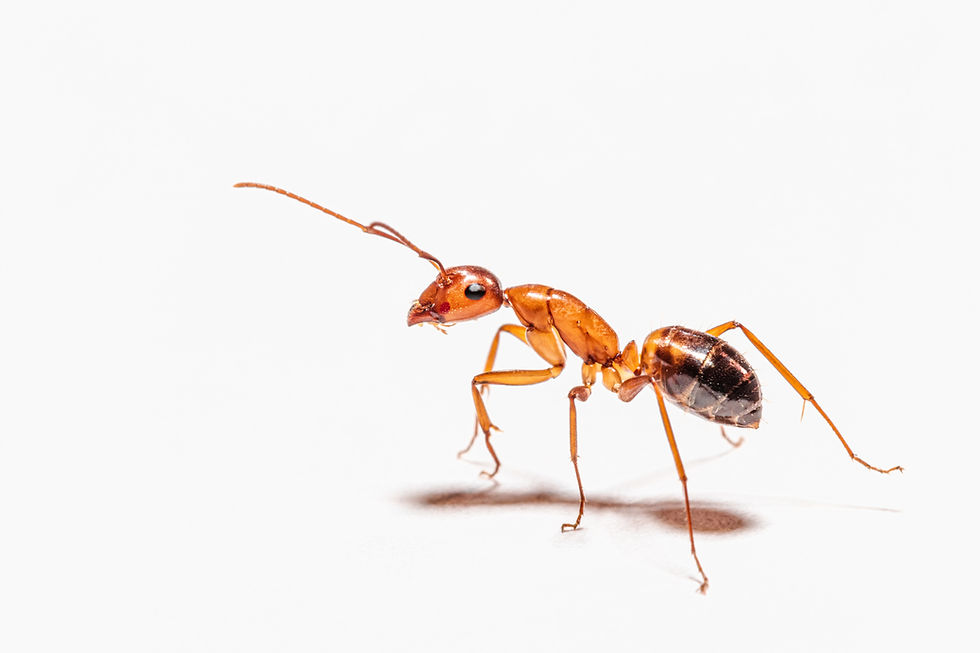
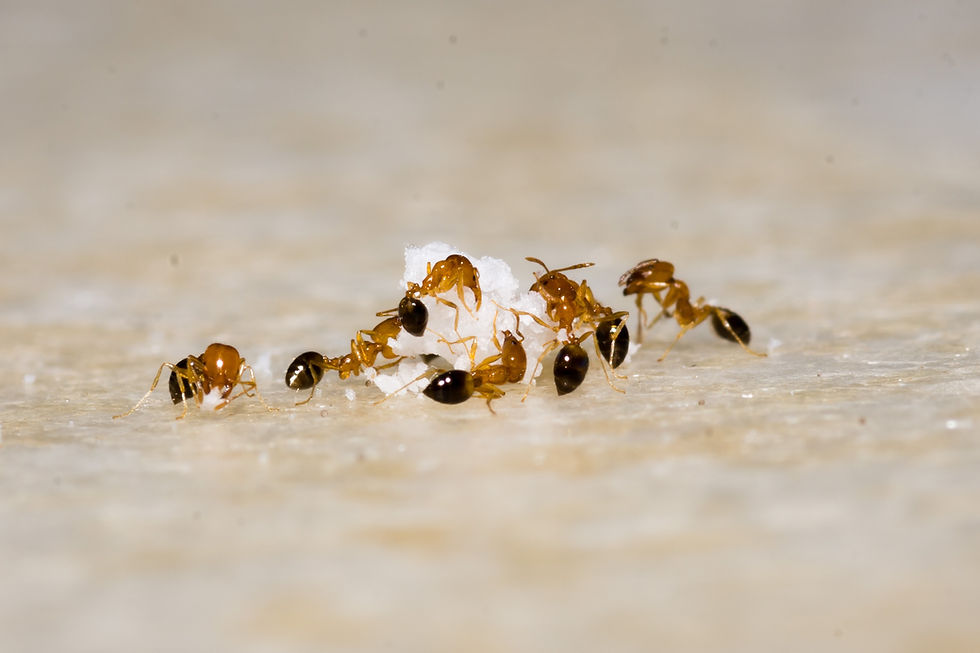
Black Garden Ants: The most common species. They enter buildings in search of sugary foods and can create extensive trails across floors and countertops.
Pharaoh Ants: A smaller, yellow-coloured tropical species often found in heated buildings like hospitals and apartment blocks. They are notorious for "budding," where the colony splits if treated with the wrong DIY products.
Ghost Ants & Carpenter Ants: Less common but highly destructive. Carpenter ants can damage timber by nesting within wood, similar to woodworm.
The Risks of Ant Infestation
Ants pose a three-fold threat: contamination, structural damage, and business disruption.
Food Contamination: Ants travel through soil, waste, and drains before crawling over food preparation surfaces. They contaminate food with bacteria and pathogens gathered during their forage.
Structural Issues: Certain species, such as Carpenter ants, can hollow out wooden supports to build nests. Others can cause subsidence in garden paving or patios by displacing large amounts of sand and soil.
Electrical Hazards: Ants are often attracted to the electromagnetic fields in junction boxes and sockets. Large numbers of ants nesting in these areas can cause short circuits and fire risks.
Commercial Reputation: For businesses in the food and hospitality sectors, an ant trail in a public area suggests a lack of hygiene, leading to negative reviews and potential health code violations.
Our Professional Solutions
We move beyond basic "ant powder" to provide a comprehensive colony elimination strategy:
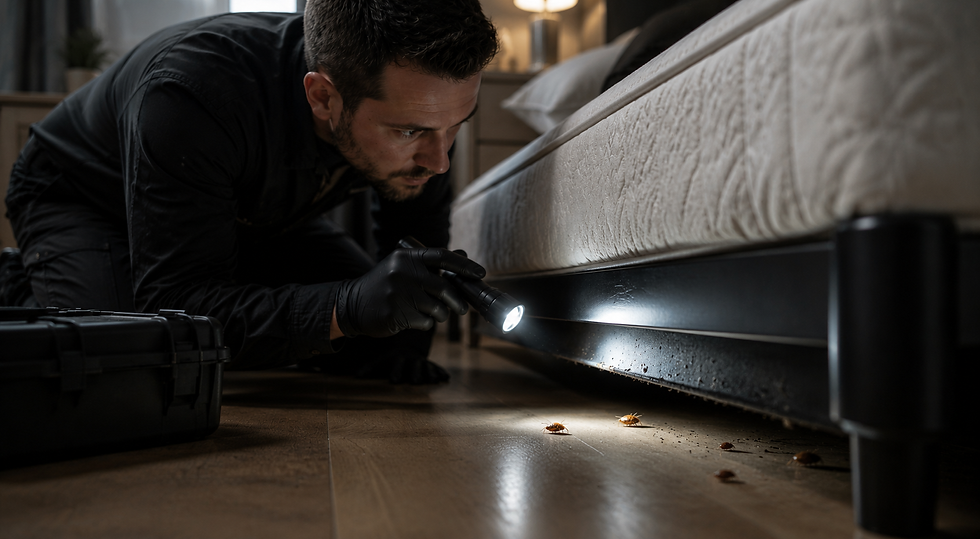
Species Identification: Different ants require different treatments. We identify the specific species to ensure we use the correct baiting or chemical approach.
Professional Baiting Systems: We use insecticidal gels that ants "share" with the rest of the colony. The foragers take the bait back to the nest, ensuring the queen is eliminated and the colony is destroyed at the source.
Residual Barrier Treatments: Application of professional-grade sprays around entry points and perimeters to prevent new colonies from moving into the treated area.
Environmental Proofing: We identify and advise on sealing cracks, crevices, and entry points, as well as managing "honeydew" producing garden pests (like aphids) that attract ants.

Frequently asked questions


