Available Now - Same Day Response





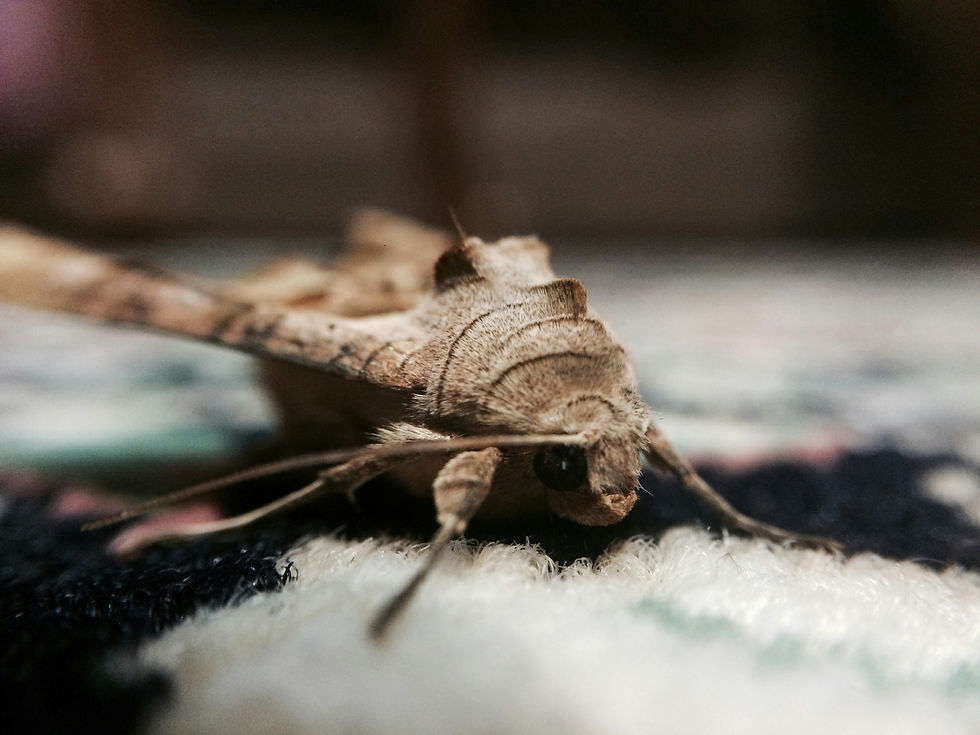
Common Moth Pests in the UK
The UK primarily deals with species that feed on keratin (found in natural fibers) or stored food products:
Common Clothes Moth: The most destructive household species. They prefer dark, undisturbed areas like wardrobes and under heavy furniture, feeding on wool, silk, fur, and leather.
Brown House Moth: Scavengers that feed on a wide range of materials, including floorboards, carpets, and even dried food.
Case-Bearing Clothes Moth: Similar to the common clothes moth, but the larvae live inside a small, portable silken case made from the fibers they are eating.
Pantry Moths (Indian Meal Moth): Found in kitchens rather than closets, these infest dried goods like flour, grains, and nuts.

The Risks of Moth Infestation
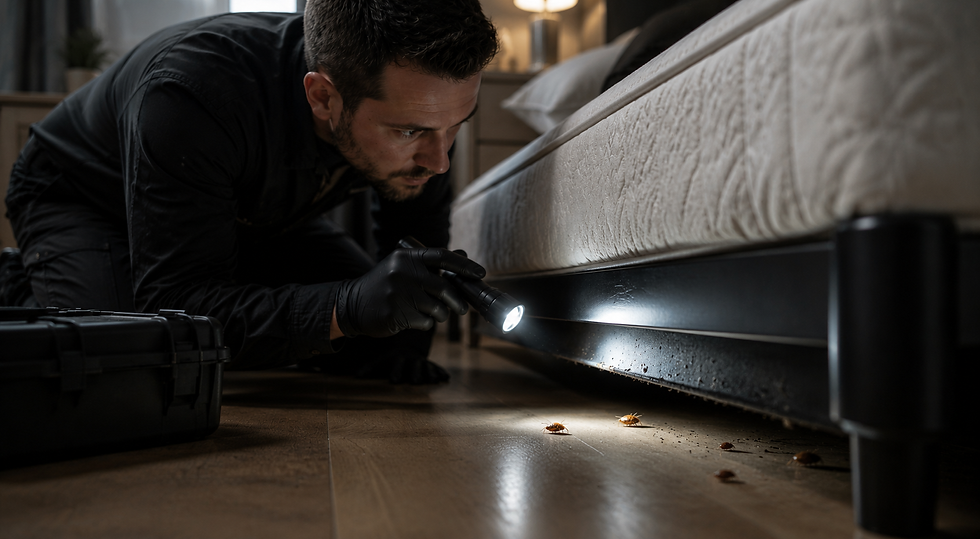
Moths pose a three-fold threat: financial loss, property damage, and hygiene risks.
-
Irreversible Damage: Moth larvae can ruin expensive wool suits, silk dresses, and handmade rugs in a matter of days. Once the fibers are eaten, the damage is often impossible to repair invisibly.
-
Financial Loss: Replacing high-end textiles, designer clothing, or antique carpets can cost thousands of pounds. Moths specifically target high-value natural materials.
-
Rapid Spread: Moths lay hundreds of eggs in hidden crevices. By the time you see an adult moth flying, the larvae have likely already established themselves deep within your carpets or wardrobe.
-
Food Contamination: In the case of pantry moths, infestations lead to the contamination of food stores with webbing, cocoons, and waste, requiring the disposal of all affected stock.
Our Professional Solutions
We move beyond ineffective mothballs and "sticky traps" to provide a complete eradication strategy:
Pheromone Monitoring: we use advanced pheromone traps to identify the specific species and locate the "epicenter" of the infestation.
Residual Insecticide Treatments: Application of professional-grade, low-odour sprays to wardrobes, skirting boards, and carpet edges to kill larvae and break the life cycle.
ULV Fogging (Ultra-Low Volume): For heavy infestations, we use specialist fogging equipment to reach every corner of a room, ensuring that even hidden moths in curtains and high crevices are eliminated.
Heat Treatment & Deep Cleaning: Advice on using heat (laundering at 60°C) and specialist vacuuming techniques to remove eggs and larvae from delicate items.

Frequently asked questions


